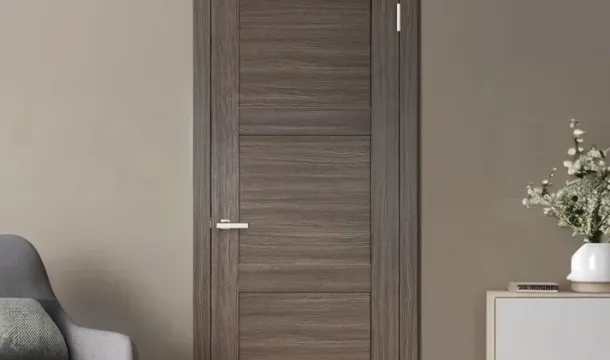
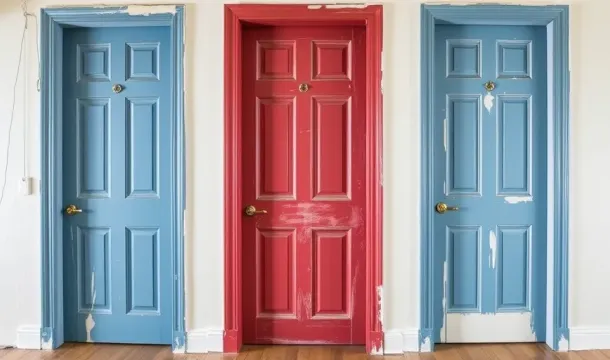
Matching door designs provide a straightforward method to unify interior spaces and enhance flow between rooms. Selecting doors with consistent materials, finishes, and hardware creates visual continuity that subtly guides movement throughout a home. For example, using the same wood species and stain on all doors connecting living areas maintains cohesion without overwhelming decor variations.
Attention to door styles impacts perceived spatial relationships. Pairing paneled doors with similar moldings or glass inserts ensures transitions feel intentional rather than abrupt. In open-concept layouts, coordinating door heights and proportions further supports balance between connected zones like kitchens and dining rooms.
In Canadian homes, where diverse architectural influences intersect, matching door designs can tie together traditional and modern elements effectively. Practical choices include painted MDF doors with uniform trim for budget-friendly consistency or custom hardwood options to elevate upscale interiors. Prioritizing hardware finishessuch as matte black or brushed nickelacross all doors refines the overall look while accommodating functional needs like privacy or sound control.
Choose Doors With Consistent Style
Select door designs that share key stylistic elements such as panel layout, material texture, and hardware finish to maintain a unified visual flow throughout your home. For example, if you opt for shaker-style doors in white oak with matte black handles in the living areas, carry this combination into adjacent rooms to avoid visual disruption.
Pay attention to proportions and detailing. Doors with similar frame thicknesses and edge profiles create subtle harmony without appearing overly matched. Avoid mixing modern flat-panel doors with traditional raised-panel styles within sight lines, as this contrast can break the seamless transition effect.
Consider the finish consistency alongside style. Staining all interior doors in a warm walnut tone or painting them uniformly in soft greys reinforces cohesion across spaces. Hardware choices like lever handles or knobs should complement door style and remain consistent in color and design to prevent distracting shifts.
When working with custom doors, specify matching moldings and trims that echo door shapes and motifs. Coordinated casing enhances the perception of continuity beyond just the door itself, tying together room transitions elegantly.
Align Door Frames For Flow
Ensure door frames on either side of a doorway are perfectly aligned vertically and horizontally to create a visual connection that guides movement naturally between rooms. Misaligned frames disrupt spatial rhythm and can make transitions feel jarring, even if door styles match.
Measure the height and width of existing frames before installation or replacement. Consistent frame thickness and reveal depth maintain uniform sightlines through connected spaces. For example, if the living room door frame has a 3-inch casing with a flat profile, replicate this exactly in the adjacent dining area.
Pay attention to floor-to-frame distances. Aligning the bottom edge of door frames with baseboards or flooring details helps reinforce continuity. Using laser levels during installation guarantees precise placement, reducing gaps or unevenness that catch the eye.
In open-plan layouts where double doors connect two rooms, synchronize frame jambs so that when doors are open, the frames form an uninterrupted border. This technique creates an intentional architectural passage rather than two separate entry points.
Consider coordinating hardware mounting heights within aligned frames as well. Handles and hinges positioned at identical levels enhance symmetry and contribute to seamless flow across thresholds.
Use Color To Blend Spaces
Apply a consistent color palette on doors and surrounding walls to visually unify adjacent rooms. Select door paint shades that echo dominant or accent colors in both spaces, creating a subtle connection without relying on identical hues. For example, a muted sage door can link a living room with olive accents to an adjoining kitchen featuring soft green tiles.
Consider using transitional color gradients across connected areas. Gradually shift tones from one room's primary color to another through door finishes or trim details. This technique softens boundaries and enhances flow by guiding the eye naturally between spaces. In Canadian homes with open layouts, this method reduces stark contrasts often caused by distinct functional zones.
Contrast With Coordination
Introduce contrast in door colors that complement rather than clash with adjacent walls. Pairing deep navy doors with light gray walls in both rooms maintains cohesion while adding interest. Avoid random or overly bold color shifts at doorways; instead, choose shades from the same undertone family to maintain harmony.
Incorporate Textural Paint Finishes
Use matte or eggshell finishes on doors that match wall textures to prevent visual disruption during transitions. Semi-gloss options work well when paired with similarly finished moldings and trims, reinforcing consistency. Textured paints like chalky or suede effects can also create tactile continuity across thresholds without exact color matching.